Drain Tracing
Route your drainage system to make an informed decision.
Derby - Leicester - Mansfield - Nottingham
Drain tracing is a non-invasive technique used to map and identify the route, depth, and characteristics of underground drainage systems.
What is drain tracing?
Help inform your next building plan.
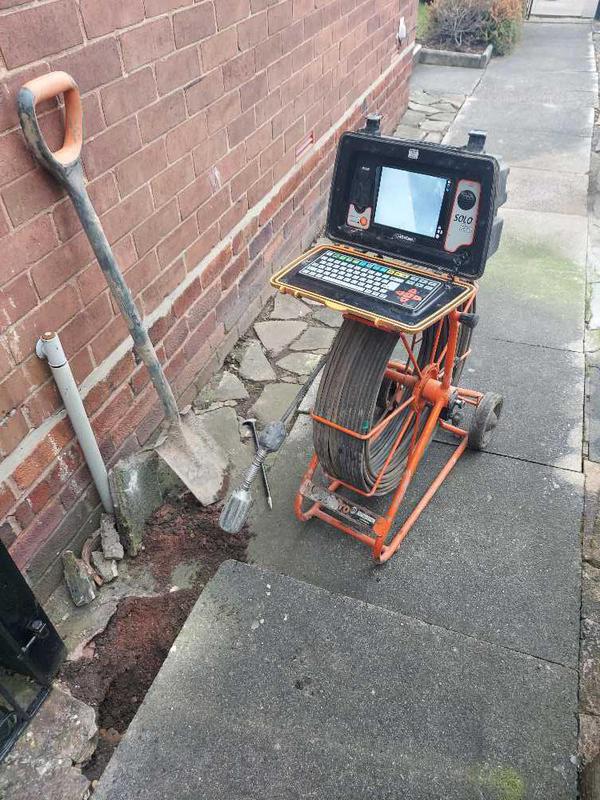
Drain tracing is a specialised technique to determine the route, depth, and other characteristics of drainage systems without the need for invasive digging or excavation. Utilising sophisticated equipment, often a combination of electronic sondes and receivers, our team can send signals through the drainage system, allowing them to map out the entirety of a drain's pathway.
The advantage of drain tracing is its non-invasive nature, providing a clear understanding of the drain layout with minimal disruption to the surface or surroundings. Whether it's to identify the source of a recurring blockage, plan for an extension, or determine the feasibility of a construction project, drain tracing offers a precise and efficient means to gather essential information about underground pipework, enabling informed decisions and actions.
Drain Tracing
What does a report include?
Our trained team will guide you through the entire process, answering any questions.
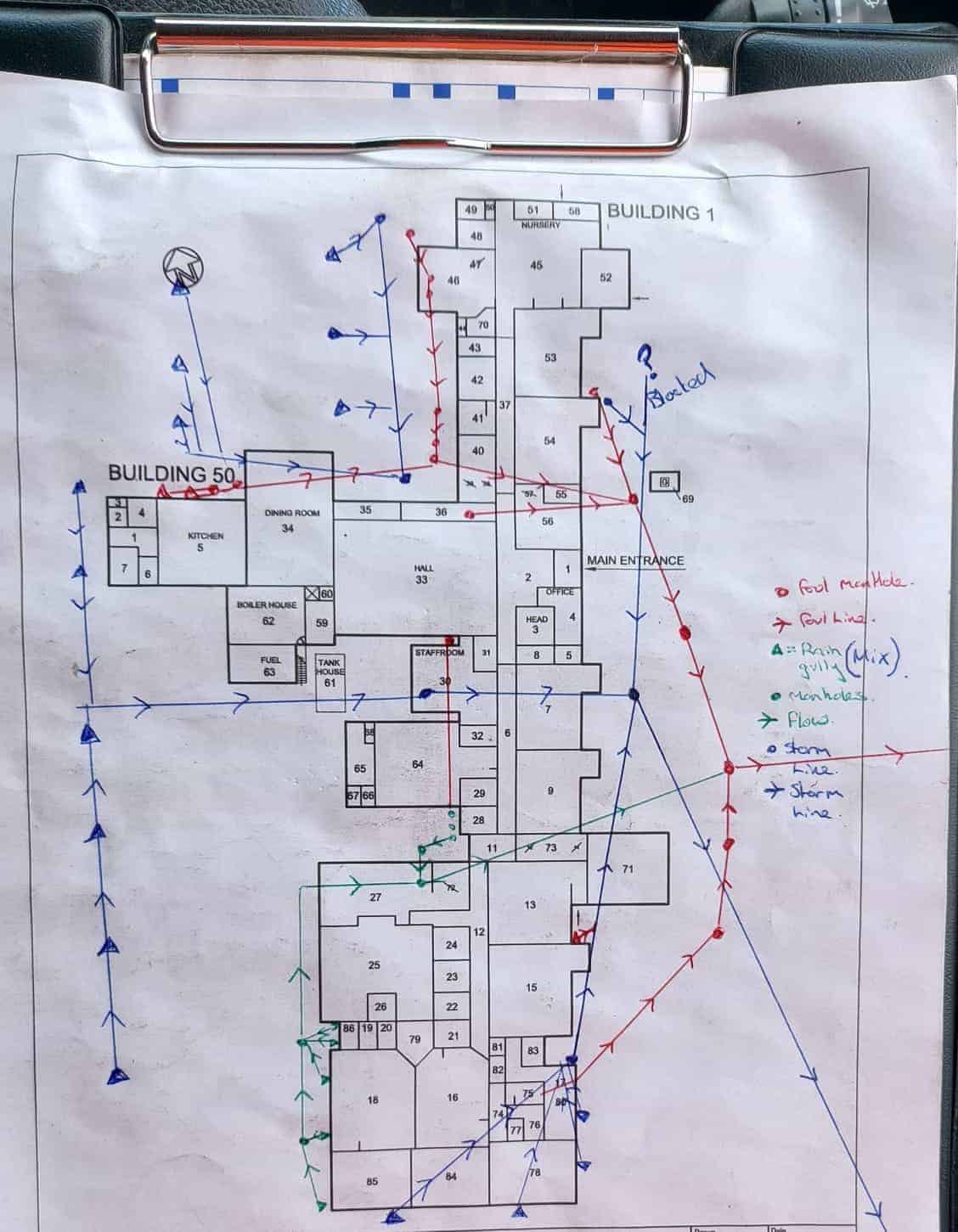
A drain tracing report is a comprehensive document detailing the findings of a drain tracing procedure, providing invaluable insight into the structure and intricacies of underground drainage networks. The report includes a detailed map or schematic of the drain layout, showcasing the routes, junctions, depth, diameters, and any potential areas of concern or irregularities within the system. This graphical representation is plotted using data gathered from the electronic equipment, ensuring a high level of accuracy.
Additionally, the report offers a narrative breakdown, delving into specifics such as the material composition of the pipes, the conditions of manholes, and any detected defects or vulnerabilities. Potential blockage points, areas of water ingress or egress, and any other anomalies that may impact the performance or longevity of the drainage system are duly highlighted. Recommendations for repairs, maintenance, or further investigations may also be included, ensuring that the recipient has a clear path forward, informed by the report's detailed findings.
Looking for something else?
MESSAGE US ON WHATSAPP
You can reach us quickly and easily by messaging us on WhatsApp.
With advanced electronic equipment and trained professionals, drain tracing provides a highly accurate representation of the underground drainage network.
Drain tracing is useful when you need to understand the layout of underground drainage without excavation, such as when planning a building extension, investigating recurring blockages, or confirming pipe integrity.
While drain tracing primarily maps the layout of the drainage system, anomalies in signal or additional inspection techniques can highlight potential problem areas, which can then be investigated further.
The duration can vary depending on the complexity of the drainage system and the size of the area being traced, but typically, a standard residential procedure might take a few hours.