blog
Emergency Drainage vs Routine Maintenance: Which One Really Costs Businesses More?
When it comes to commercial drainage, many businesses only think about their drains when something goes wrong. A blocked pipe, flooding, foul smells or wastewater backing up can quickly turn into an emergency — and that’s often when a drainage company gets called in. While emergency response is essential in these situations, relying on reactive repairs can be far more expensive than planned, routine maintenance.
At Drain2Drain, we work with businesses across Derby, Nottingham and the surrounding areas, supporting everything from offices and schools to factories, hotels and restaurants. Time and time again, we see the same pattern: avoidable drainage issues escalating into costly emergencies simply because routine maintenance was overlooked.
So which actually costs businesses more — emergency drainage or preventative maintenance? Let’s break it down.
What Counts as Emergency Drainage?
Emergency drainage typically involves urgent callouts where a problem is already disrupting business operations or posing a safety risk. These situations usually require immediate attention and fast solutions.
Common examples include:
- Completely blocked drains causing wastewater to back up
- Flooding inside or outside the property
- Collapsed or damaged pipework
- Strong odours affecting staff or customers
- Drainage failures forcing partial or full closure
Emergency work is often unpredictable, time-sensitive and more complex because the issue has already developed into a serious problem.


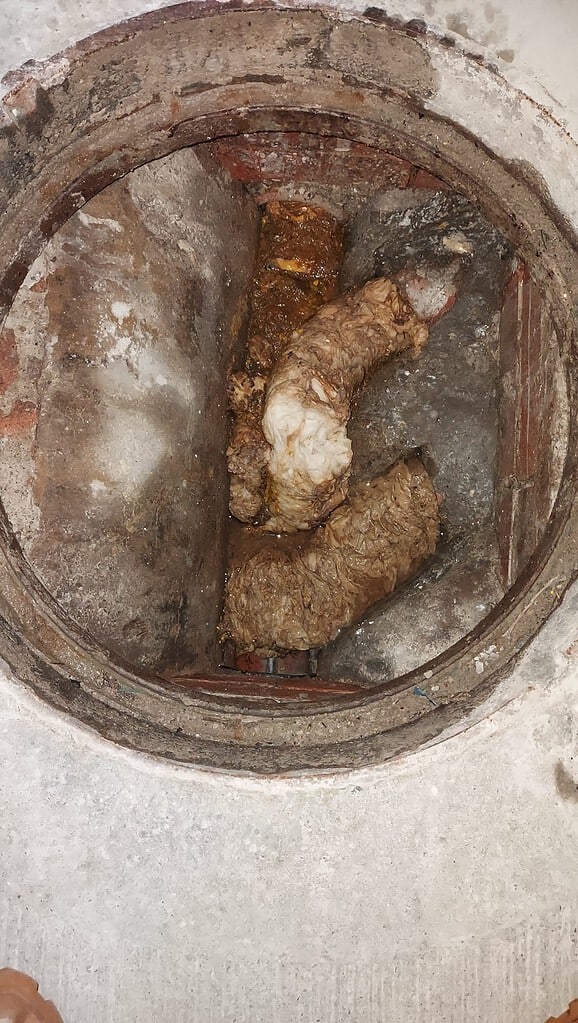
The True Cost of Emergency Drainage for Businesses
While emergency callouts solve the immediate issue, the real cost often goes far beyond the repair itself.
Higher Repair Costs
Emergency drainage work usually involves more intensive labour, specialist equipment and sometimes out-of-hours response. If a blockage has caused pipe damage or flooding, repairs may require excavation, pipe replacement or additional clean-up work.
Operational Downtime
One of the biggest hidden costs is lost productivity. A blocked drain in a restaurant kitchen, factory or office can bring operations to a standstill. Staff may be unable to work, customers may need to be turned away, and production schedules can be disrupted.
Health and Safety Risks
Standing water, contamination and unpleasant smells create health and safety concerns. In some industries, this can lead to temporary closures until the issue is fully resolved and the area is deemed safe.
Damage to Reputation
Customers expect clean, functional facilities. Repeated drainage issues or visible flooding can damage trust and affect reviews, especially in hospitality and retail settings.
Repeat Callouts
Without addressing the underlying cause, emergency fixes may only be temporary. This leads to repeated callouts, escalating costs and ongoing disruption.
When all these factors are combined, emergency drainage often ends up being the most expensive way to manage a commercial drainage system.
What Is Routine Drain Maintenance?
Routine drain maintenance focuses on preventing problems before they occur. It involves planned inspections, cleaning and servicing designed to keep drainage systems operating efficiently all year round.
Typical maintenance services include:
- High-pressure drain jetting to remove build-ups
- CCTV drain surveys to inspect pipe condition
- Gully and external drain cleaning
- Grease and debris management
- Scheduled maintenance visits
Instead of reacting to failures, maintenance keeps systems clear, identifies early warning signs and allows issues to be resolved before they escalate.

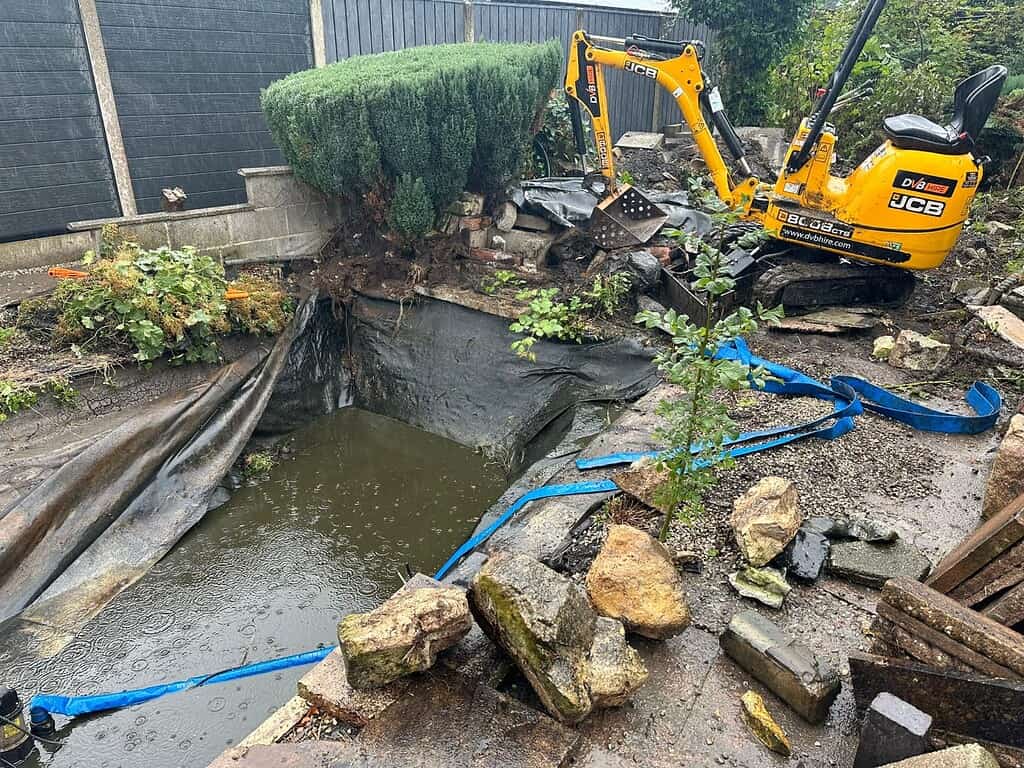

The Financial Benefits of Routine Maintenance
Lower Long-Term Costs
Routine maintenance is far more predictable and cost-effective than emergency repairs. By spreading costs over planned visits, businesses avoid sudden, large expenses caused by major failures.
Reduced Risk of Downtime
Keeping drains clear and monitored significantly reduces the chance of sudden blockages or flooding. This helps businesses maintain uninterrupted operations, especially during busy periods.
Early Fault Detection
CCTV drain surveys allow engineers to spot cracks, root intrusion, misaligned joints or build-ups long before they cause failure. Early repairs are almost always cheaper and less disruptive.
Extended Drain Lifespan
Regular care reduces wear and tear on pipework, helping drainage systems last longer and delaying the need for costly replacements.
Peace of Mind
Knowing your drainage system is being professionally maintained allows you to focus on running your business, rather than worrying about unexpected issues.
Which Businesses Benefit Most From Routine Maintenance?
While all commercial properties can benefit, routine maintenance is particularly valuable for:
Restaurants and Commercial Kitchens
Grease, food waste and hot water put heavy strain on drains, making blockages more likely without regular cleaning.
Factories and Industrial Sites
High usage and complex drainage systems require ongoing monitoring to prevent shutdowns and safety risks.
Hotels and Hospitality Venues
Guest satisfaction relies on clean, functional facilities with no unpleasant smells or flooding.
Schools and Public Buildings
Drainage failures can affect large numbers of people and disrupt daily operations.
Office Buildings and Retail Spaces
Preventative care avoids inconvenience to staff and customers alike.
For these environments, routine maintenance is not just cost-effective — it’s essential.
Emergency Drainage Still Has Its Place
It’s important to note that emergency drainage services are still vital. Unexpected incidents, extreme weather or sudden pipe failures can occur even with the best maintenance plans in place. The key difference is that businesses with routine maintenance are far less likely to experience severe emergencies — and when they do, the issues are usually less serious and easier to resolve.
Emergency vs Maintenance: The Real Cost Comparison
When comparing the two, routine maintenance almost always wins on cost, reliability and efficiency.
Emergency drainage often means:
- Higher immediate costs
- Lost productivity and revenue
- Increased stress and disruption
- Risk of repeat issues
Routine maintenance offers:
- Predictable, manageable costs
- Reduced downtime
- Fewer emergencies
- Long-term protection for your property
For businesses looking to control costs and operate smoothly, preventative drainage care is the smarter investment.
How Drain2Drain Supports Businesses Across Derby & Nottingham
At Drain2Drain, we help businesses shift from reactive emergency repairs to proactive drainage management. Our maintenance plans are tailored to each site, taking into account usage levels, property type and operational needs.
We combine advanced CCTV inspections, effective cleaning techniques and fast emergency response to give businesses complete drainage support — all with minimal disruption.
Which Option Is Right for Your Business?
If your business has experienced repeated blockages, emergency callouts or unexpected downtime, it may be time to rethink your approach. Investing in routine drain maintenance can dramatically reduce costs, protect your operations and provide peace of mind all year round.
Emergency drainage may fix the problem today, but routine maintenance protects your business for the future. If you want to keep costs down and operations running smoothly, Drain2Drain is here to help.