
blog
How Often Should You Get Your Drains Cleaned? A Practical Guide for Homes and Businesses
It’s a question we get asked a lot at Drain2Drain, usually after something has already gone wrong. How often should drains actually be cleaned? The honest answer is that it depends, but waiting until there’s a blockage, bad smell or backup is almost always too late.
Drains are one of those parts of a property that quietly do their job day after day. Because everything happens out of sight, it’s easy to assume that if water is flowing away, everything must be fine. In reality, build-ups inside drains often develop slowly, long before any obvious symptoms appear.
Regular drain cleaning is one of the simplest and most effective ways to avoid costly problems, whether you’re a homeowner or running a busy commercial site.
Why Drains Need Cleaning in the First Place
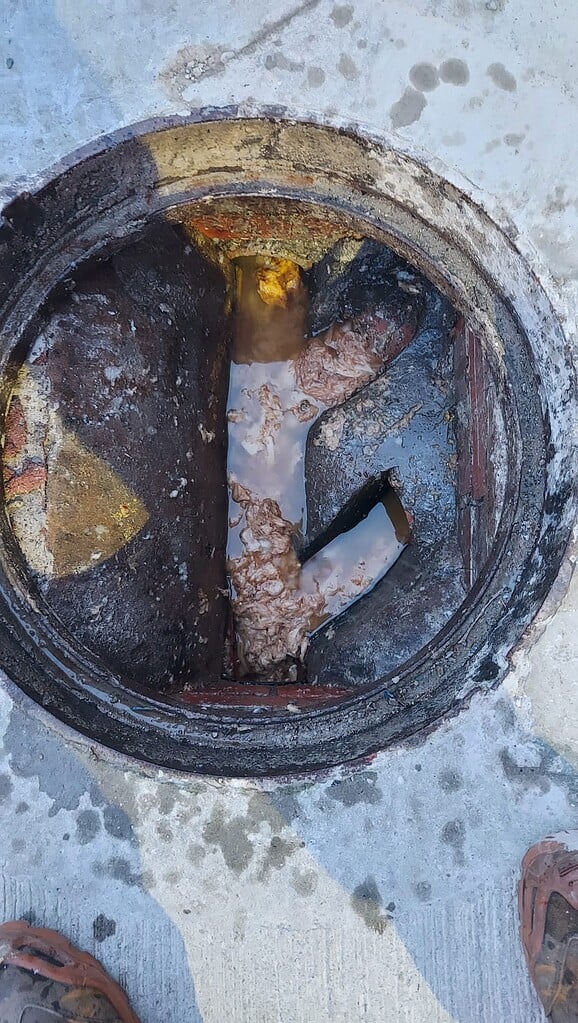
Every time water flows down a drain, it carries more than just liquid. Grease, food waste, soap residue, hair, dirt and debris all travel through the system. Over time, these materials stick to the inside of pipes and begin to build up.
In kitchens, fats and oils are a major issue. In bathrooms, hair and soap scum are common culprits. Outside, leaves, mud and silt can collect in gullies and surface drains. None of this happens overnight, which is why blockages often feel sudden even though the problem has been developing for months or years.
Without regular cleaning, drains gradually lose capacity. Water slows, smells develop and eventually the system can no longer cope.
How Often Should Household Drains Be Cleaned?
For most homes, a full professional drain clean every one to two years is a sensible guideline. This keeps pipes clear, removes hidden build-ups and helps prevent unpleasant surprises.
However, some households benefit from more frequent cleaning. Homes with older drainage systems, properties surrounded by trees, or houses that have experienced repeat blockages in the past often need attention more regularly.
There are also warning signs that your drains may need cleaning sooner rather than later. These include slow-draining sinks or showers, gurgling noises, unpleasant smells or water backing up after heavy use. Ignoring these early signs often leads to bigger problems down the line.
Regular cleaning doesn’t just prevent blockages. It also helps identify developing issues, such as cracks or root intrusion, before they become serious.

Drain Cleaning for Businesses: How Often Is Enough?
Commercial drains usually need far more frequent attention than domestic systems. Higher usage levels, different types of waste and stricter hygiene requirements all mean that waiting until there’s a problem can be costly.
Restaurants, cafés and commercial kitchens often require drain cleaning every three to six months. Grease builds up quickly in these environments, and once it hardens, it can cause severe blockages with very little warning.
Offices, schools and retail spaces typically benefit from annual or bi-annual drain cleaning, depending on usage. Factories, warehouses and industrial sites may need more tailored schedules based on their processes and waste output.
Routine cleaning helps businesses avoid downtime, protect staff and customers, and stay compliant with health and safety expectations.
What Happens If Drains Aren’t Cleaned Regularly?
When drains are left unchecked, small issues tend to snowball. A partial blockage restricts flow, which causes waste to sit in the pipe for longer. This leads to smells, bacteria build-up and increased pressure on the pipework.
Eventually, this can result in complete blockages, internal flooding or damage to the drainage system itself. In some cases, build-ups contribute to cracked pipes or joint failures, especially in older systems.
For businesses, the knock-on effects can be significant. Lost trading time, emergency callouts, clean-up costs and reputational damage often cost far more than routine maintenance ever would.
Why DIY Drain Cleaning Isn’t a Long-Term Solution
Many people rely on chemical drain cleaners or home remedies to keep things flowing. While these can provide short-term relief, they rarely solve the underlying problem.
Chemical cleaners often only clear a narrow channel through a blockage, leaving residue behind that quickly builds up again. They can also damage older pipework over time. Home methods like boiling water or baking soda may help with very minor issues but won’t touch deeper build-ups or structural faults.
Professional drain cleaning uses high-pressure water to thoroughly clean the full diameter of the pipe, removing stubborn deposits safely and effectively.
How Professional Drain Cleaning Works
At Drain2Drain, professional drain cleaning typically involves high-pressure jetting. This method uses controlled water pressure to break down grease, debris, scale and other build-ups inside the pipework.
In many cases, cleaning is combined with a CCTV drain inspection. This allows us to check the condition of the drains, confirm that blockages have been fully removed and identify any underlying issues that may need attention.
This approach doesn’t just fix the immediate problem. It helps prevent future ones.
Creating a Drain Cleaning Schedule That Works
The best drain cleaning schedule is one that’s tailored to your property. A small household won’t have the same needs as a busy restaurant or industrial site.
For homeowners, periodic cleaning and responding early to warning signs is usually enough. For businesses, planned maintenance schedules offer predictability, reduced risk and better cost control.
Rather than asking how long you can leave it, it’s better to think about how much disruption you want to avoid.
How Drain2Drain Can Help
Drain2Drain works with homeowners and businesses across Derby, Nottingham and the surrounding areas to keep drainage systems in top condition. Whether you need a one-off clean or a regular maintenance plan, we’ll recommend the right level of care for your property.
Our focus is always on prevention, reliability and long-term results, not just quick fixes.
A Small Job That Prevents Big Problems
Regular drain cleaning is one of those things that’s easy to overlook until it becomes urgent. But staying on top of it can save you money, stress and disruption in the long run.
If it’s been a while since your drains were last cleaned, or you’re not sure what condition they’re in, now is a good time to find out.
Get in touch with Drain2Drain today and keep your drains clean, clear and working exactly as they should.